Sustainability
Parquet vs laminate, etc.
Decisive differences beyond the look
When you choose a floor, design is not the only aspect that affects your decision: it’s also about selecting a sensation of wellness. Many flooring types look similar at first glance. However, only everyday use can show what they actually bring to the table: how a floor feels and sounds, how it ages and what its service life is.
A floor accompanies you throughout your life. It is therefore worth taking a closer look at flooring types before you choose one.
When the difference is in the material
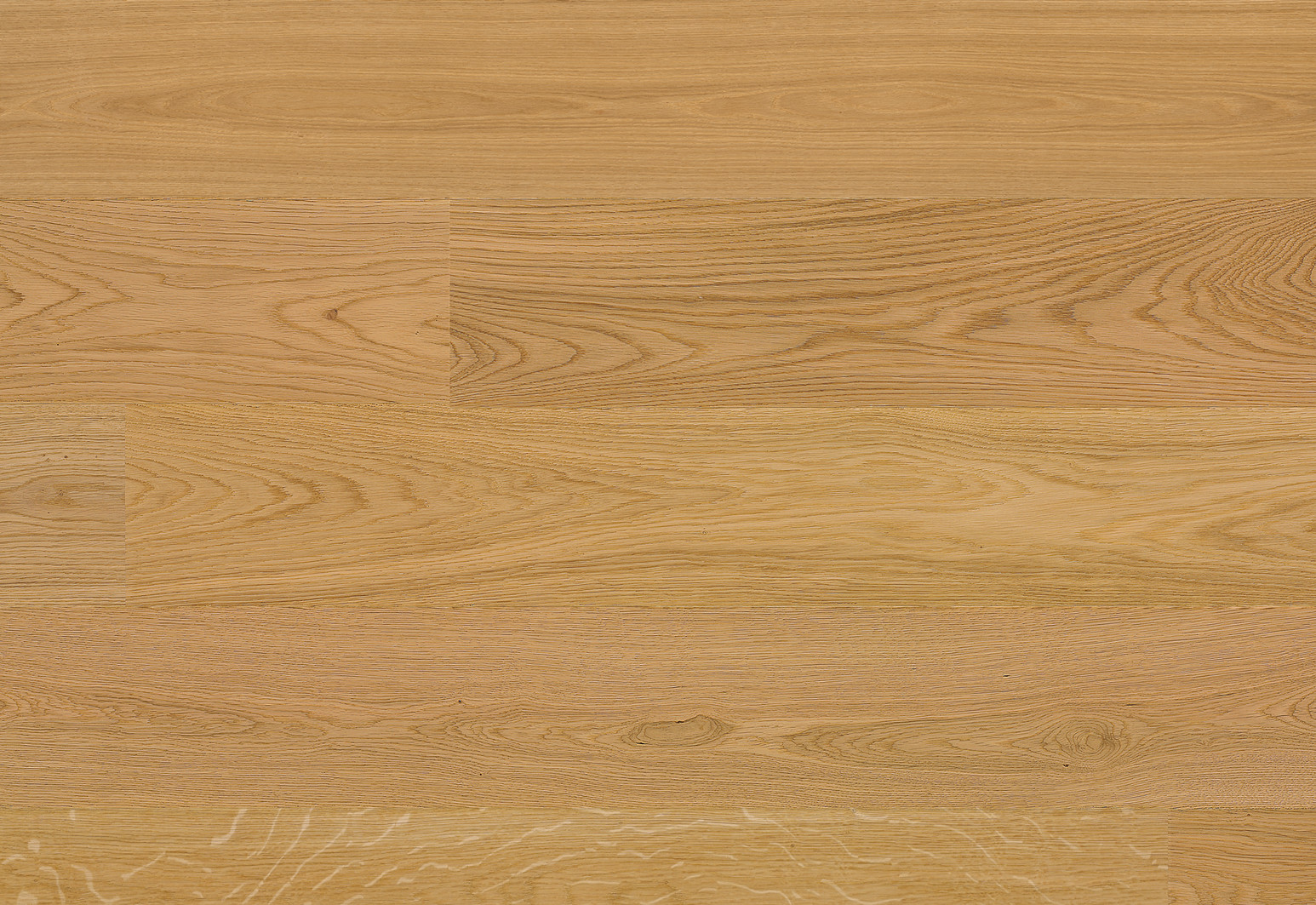
Laminate can be very good at creating a convincing wooden look. The difference lies in the material: parquet is made of real wood, while laminate has a decorative layer on top of a wood composite base. This matters for the room's sense of wellness because real wood adds natural depth, warmth, and a tactile surface. There is also an acoustic difference: laminate often sounds sharper and louder when walked on. Time is ultimately what makes the difference: depending on its structure, parquet can be touched up and renovated, while laminate usually has to be replaced if it shows clear signs of wear. Those who think long-term and value the natural feel and capacity for renovation find parquet to be a solution that becomes their lifelong companion.
Wellness instead of wooden look
Vinyl and design floors are built to withstand everyday use, and depending on their type, offer a robust, easy-to-clean surface. They can be visually similar to wood, although there is still an interpreted quality to the surface. Parquet is real wood, which makes all the difference in terms of presence and feel. Real wood reacts to light, forms a patina, and remains authentic. The service life of the floor is also key: many design floors are intended to be replaced, whereas, depending on its structure, parquet can be renovated and reinterpreted. Those who seek a natural and enduring solution often choose parquet.
Living natural with parquet
A floor supports you, day after day, for years. That’s why it’s worth paying attention to the aspects that you don’t see right away: longevity, suitability for renovation and repairs, and even the question of what the material looks like throughout its life. Parquet is made of wood, a renewable material, and can be repaired and touched up by design. This makes choosing parquet not only an aesthetic decision, but also a long-term one. Those seeking a floor that warms indoor spaces, promotes a sense of wellness, and withstands decades of use will find a strong, sustainable foundation in parquet.